
Pet accidents are a normal part of sharing a home with dogs and cats. Puppies are still learning, senior pets may have trouble making it outside in time, and cats can sometimes have accidents because of stress, illness, or changes around the home. Most homeowners react quickly by blotting the area, applying a carpet cleaner, and cleaning until the visible stain disappears. However, the frustrating part often comes later when the room still smells like urine even though the carpet looks clean.
This happens because the visible stain is not always the entire problem. Pet urine can move through the carpet fibers and reach the backing, padding, and even the flooring underneath. Once that happens, surface cleaning may remove discoloration while leaving behind the material responsible for the odor. As a result, the smell may disappear temporarily and then return after the carpet dries.
For families in Bellevue, Tennessee, recurring pet odors can make an otherwise clean home feel uncomfortable. Regular vacuuming, mopping, and household cleaning may leave every other surface looking fresh, yet one hidden pet accident can continue affecting the entire room. Understanding how pet odor travels through carpet can help homeowners choose a better solution instead of repeatedly covering the smell with sprays and powders.
At Safe-Dry® of Bellevue, we focus on helping families maintain cleaner, healthier-feeling homes. Professional pet odor and stain removal is designed to address the cause of lingering odor rather than simply masking it. When homeowners understand why pet smells return, they can take faster action and avoid some of the most common cleaning mistakes.
Why Pet Odor Can Remain After You Clean the Stain

One of the biggest misunderstandings about pet accidents is assuming that the visible stain shows the full size of the affected area. In reality, liquid can spread underneath carpet much farther than it appears on the surface. The carpet fibers may show a small spot while the padding underneath absorbs moisture across a wider section.
Think about spilling water onto a towel sitting on top of a sponge. The wet spot on the towel may look fairly small, while the sponge underneath absorbs considerably more moisture. Carpet behaves in a similar way. Once pet urine travels through the fibers, it can spread into the carpet backing and padding before you even have time to grab a towel.
This is one reason pet odor and stain removal can be more complicated than ordinary carpet stain removal. Household cleaners usually focus on the surface. They may improve the appearance of the carpet and temporarily change the smell, but they cannot always reach contamination that has moved deeper.
The problem becomes even more noticeable when pets repeatedly use the same area. Each accident adds more moisture and residue to the carpet system. Even if homeowners clean the spot every time, the deeper layers can continue holding odor.
Pet Urine Often Goes Deeper Than Carpet Fibers
Carpet is made of several layers, and pet urine can affect more than the fibers you see. Underneath the visible carpet sits backing material, followed by carpet padding and then the floor underneath. Depending on the size of the accident and how quickly it is cleaned, urine may reach one or several of these layers.
Small accidents that are caught immediately are generally easier to manage. However, a large dog accident, repeated puppy accidents, or urine that sits unnoticed for several hours can travel much deeper. Thick carpet and absorbent padding can make this even more difficult because the moisture has more material to move through.
Once the accident reaches the padding, ordinary carpet cleaning may not completely address the odor unless the affected area receives specific pet urine treatment. This is why pet urine carpet cleaning is different from routine professional carpet cleaning. The goal is not simply to remove soil from the carpet. The technician also needs to understand where the pet accident occurred and how far the contamination may have spread.
For homeowners looking for carpet cleaners in Bellevue, Tennessee, it helps to choose a company that offers pet odor and stain removal as a specific service instead of treating every carpet problem exactly the same way.
Why Pet Smell Comes Back After the Carpet Dries
A common experience is cleaning an accident and thinking the problem is solved, only to notice the odor again the following day. The carpet may smell fresh immediately after cleaning because the product adds fragrance or because the area is still damp. Once everything dries, the underlying urine odor becomes noticeable again.
Humidity can also make lingering pet odors seem stronger. Changes in moisture levels can affect how strongly odor-producing residue is noticed in the room. This is why some homeowners notice that a previously cleaned pet stain suddenly smells stronger during warm or humid weather.
The U.S. Environmental Protection Agency provides information about indoor air quality and the importance of controlling pollutant sources inside the home. Their indoor air quality resources also explain why keeping indoor surfaces clean and controlling moisture are important parts of maintaining a healthier indoor environment.
If the smell repeatedly disappears and returns, spraying another deodorizer usually does not address the underlying issue. The source may still be beneath the carpet surface.
Why Air Fresheners Do Not Truly Remove Pet Odor
Air fresheners can make a room smell better temporarily, but fragrance is not the same as odor elimination. A scented carpet spray, candle, plug-in, or deodorizing powder may overpower the smell for a few hours. Once the fragrance fades, the pet odor often becomes noticeable again.
This creates a frustrating cycle. A homeowner smells pet urine, applies a scented product, enjoys a short period of improvement, and then notices the original odor again. Sometimes the combination of perfume and urine makes the room smell even less pleasant.
A pet odor eliminator can be useful for minor surface odors when used according to directions. However, when urine has moved into the backing or padding, the treatment needs to reach the actual source. Professional pet odor removal is designed with this deeper problem in mind.
The goal should be to eliminate the source of the smell rather than simply cover it.
Repeated Pet Accidents Can Make Odor Harder to Remove
Pets often return to the same area after an accident. Dogs have a powerful sense of smell and may continue detecting traces of urine even when people can no longer notice them. Cats can also return to previously soiled areas, especially if they are stressed or if the original odor was never fully addressed.
Repeated accidents create layers of contamination. A spot that originally required simple pet accident cleaning can eventually become a much larger problem involving carpet fibers, backing, padding, and possibly the flooring underneath.
This is especially common in homes with puppies that are still being house-trained or senior dogs that experience frequent accidents. Families with multiple pets may also have several different problem areas without realizing it.
Early pet stain removal helps limit how far contamination spreads. However, once the same section has been cleaned several times and the odor continues returning, it may be time to stop applying more household products and schedule professional pet odor and stain removal.
Cat Urine Removal Can Be Especially Challenging
Cat urine removal can be difficult because cats often choose hidden areas. An accident may happen behind furniture, near a wall, inside a closet, beside a litter box, or underneath a table. Since homeowners may not discover it immediately, the urine has time to dry and move deeper into surrounding materials.
Sometimes people can smell cat urine but cannot find the exact source. They may repeatedly clean the center of a room even though the actual accident happened along a baseboard or beneath a chair.
Finding the real source is an important part of effective odor elimination. Cleaning an area that only smells close to the source will not necessarily solve the problem.
For this reason, professional cat urine removal often starts with a careful inspection of the space and a discussion about where the pet spends time.
Dog Urine Can Spread Beyond the Spot You See
Dog urine removal presents similar challenges, particularly when larger dogs are involved. A large accident can move quickly through carpet before homeowners have time to react. The moisture can also spread underneath the surface well beyond the visible edge.
Puppies often create another type of problem because they may have several smaller accidents across the same room. A homeowner may remember cleaning two or three stains while overlooking another spot behind furniture.
Senior dogs can also experience recurring accidents that gradually build up over time. In these situations, carpet stain removal alone may improve the appearance without solving the smell.
Professional dog urine removal focuses on both the visible stain and the possibility of deeper contamination.
Scrubbing Pet Stains Can Push the Problem Farther
Scrubbing seems like the natural response to a pet accident. Homeowners often assume that more pressure will remove more of the stain. Unfortunately, aggressive scrubbing can spread liquid into surrounding carpet fibers and may push moisture farther into the carpet.
A better approach for a fresh accident is blotting. Place a clean, absorbent white towel over the affected area and press down firmly. Allow the towel to absorb as much moisture as possible. Replace it with a dry towel and repeat until very little liquid transfers.
Blotting helps lift moisture rather than moving it around. It can also reduce unnecessary friction on carpet fibers.
Fast action makes pet stain removal easier, but the cleaning technique matters just as much as speed.
What to Do Immediately After a Fresh Pet Accident
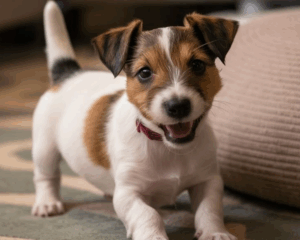
The first few minutes after an accident can make a major difference. Begin by removing as much liquid as possible with clean, absorbent towels. Press firmly instead of rubbing. If the accident is large, you may need several towels before the area stops transferring moisture.
Next, work gently from the outside of the affected area toward the center. This approach helps reduce spreading. Avoid pouring large amounts of cleaning solution directly onto the carpet because too much liquid may drive the urine deeper into the padding.
If you use a household carpet cleaner, choose one that is appropriate for your carpet type and follow the manufacturer’s directions carefully. Avoid mixing multiple cleaning products together. Household chemicals can react in unexpected ways, and more product does not necessarily mean better cleaning.
After treatment, allow the carpet to dry thoroughly. Good airflow can help. Once the area is completely dry, check for returning odor. If you still smell urine, the source may be deeper than your home cleaning method could reach.
At that point, professional pet odor and stain removal may be a better next step than repeating the same process.
Why Too Much Cleaning Solution Can Cause More Problems
When an odor refuses to disappear, homeowners sometimes continue adding more detergent, stain remover, or deodorizer. Unfortunately, excess product can leave residue in the carpet.
Residue may make carpet fibers feel sticky or stiff. It can also attract new soil over time, which makes the cleaned area look dirty again faster.
Excess moisture creates another problem. Carpet padding can hold more water than many homeowners realize. If the area remains damp for an extended period, the room may develop a musty smell in addition to the original pet odor.
Moisture control is an important part of carpet cleaning. The EPA offers resources about indoor moisture and biological contaminants, emphasizing the importance of keeping indoor materials dry and managing excess moisture.
This is one reason Safe-Dry® uses a low-moisture approach for professional carpet cleaning.
Why Household Carpet Machines May Not Solve Pet Urine Problems
Home carpet cleaning machines can be useful for everyday maintenance and basic soil removal. However, they have limitations when dealing with deep pet urine.
Most household machines clean the visible carpet fibers. They may not identify how far the accident spread underneath the surface. Homeowners can also accidentally oversaturate the carpet while trying to remove a stubborn odor.
Another common issue is detergent residue. If too much cleaning solution is added or the machine does not remove enough moisture, the carpet can remain damp and sticky.
A professional carpet cleaning service uses equipment and treatment methods intended for more controlled cleaning. More importantly, a technician can evaluate whether the problem is ordinary soil, a surface stain, or deeper pet contamination.
When searching for a carpet cleaner near you, ask whether the company offers specific pet urine removal rather than assuming that standard carpet cleaning automatically includes it.
Hidden Pet Accidents May Be Causing the Smell
Sometimes the stain you cleaned is not actually the source of the continuing odor.
Pets can have accidents in areas that homeowners rarely inspect. Common hiding places include behind sofas, under beds, inside closets, along hallway walls, near exterior doors, and underneath area rugs.
A pet may also have urinated on furniture instead of the carpet. Upholstered cushions can absorb moisture and continue releasing odor even after the carpet has been cleaned.
If the room still smells, inspect the entire space rather than concentrating on the one spot you remember cleaning.
Finding every affected area is one of the most important parts of successful pet odor removal.
Upholstery Can Hold Pet Smells Too
Dogs and cats spend a lot of time on furniture. Over time, sofas, chairs, and upholstered beds collect fur, body oils, saliva, outside dirt, and other pet-related material. An occasional accident can make the odor even stronger.
If professional carpet cleaning improves the floor but the room still smells stale, upholstery may be contributing to the problem.
Professional upholstery cleaning can help refresh frequently used furniture and remove accumulated soil. Pet accident treatment may also be appropriate depending on the fabric and how deeply the moisture traveled.
Always check upholstery care instructions before applying household stain products. Some fabrics are sensitive to moisture or certain cleaning agents.
For families dealing with pet odor throughout an entire room, combining carpet cleaning and upholstery cleaning can create a more complete refresh.
Area Rugs Can Hide Pet Odor Underneath
Area rugs are another common source of lingering pet smell. Urine may pass through the rug and reach the rug pad or flooring underneath.
Homeowners often clean the top surface and assume the problem is gone. However, the underside of the rug can continue holding odor.
If you notice a recurring smell near an area rug, inspect beneath it when possible. Check the rug pad and flooring as well.
Area rug cleaning should also consider fiber type, dyes, and construction. Specialty rugs require additional care. Oriental rug cleaning, for example, should be approached differently than cleaning a standard synthetic rug.
Avoid experimenting with strong stain removers on valuable rugs. A professional rug cleaning service can help determine a safer treatment method.
Pet Beds and Blankets Can Keep a Room Smelling Stale
Sometimes the carpet is no longer the main odor source.
Pet beds, blankets, crate mats, soft toys, and washable covers can collect fur, saliva, dirt, and body oils. If these items are not cleaned regularly, they can make an entire room smell like pets even after the flooring has been professionally cleaned.
The Centers for Disease Control and Prevention provides guidance for cleaning pet supplies and recommends following manufacturer directions when washing or disinfecting pet items.
Whenever you schedule deep cleaning services for a pet-heavy room, it is a good idea to clean washable pet bedding around the same time.
This helps prevent old odors from immediately returning to a freshly cleaned space.
Baseboards and Nearby Hard Surfaces Can Hold Odor
Pet accidents do not always happen neatly in the middle of a room. A dog may urinate beside a wall, or a cat may spray near furniture and baseboards.
Liquid can touch trim, flooring seams, furniture legs, and nearby hard surfaces.
If an odor seems strongest along one wall, cleaning the carpet repeatedly may not solve the problem. The surrounding materials should also be inspected.
Pet accident cleaning works best when homeowners think about the entire affected area rather than one isolated carpet spot.
Can Baking Soda Remove Pet Smell From Carpet?
Baking soda is often recommended for household odors because it can absorb some surface smells. However, it cannot necessarily reach pet urine trapped beneath the carpet.
Sprinkling baking soda may make a lightly stale carpet smell better, but it should not be considered a replacement for proper urine odor removal.
Homeowners should also check carpet and vacuum manufacturer guidance before using large amounts of fine powder. Some powders can be difficult to fully remove from dense carpet.
If the smell continues returning after baking soda is vacuumed away, deeper contamination is probably still present.
Can Vinegar Remove Pet Urine Odor?
Vinegar appears in many DIY carpet cleaning recipes. While some homeowners use diluted vinegar for minor cleaning, it is not automatically safe or effective for every carpet.
Different carpet fibers, dyes, backing materials, and stain treatments respond differently to household mixtures. Applying too much liquid can also push contamination deeper into the carpet.
The same caution applies to peroxide, dish soap, and other homemade cleaning combinations.
Before putting any DIY mixture on carpet, check the carpet manufacturer’s care instructions. If the stain is valuable, old, or difficult to identify, professional carpet cleaners may be a safer choice.
Why Professional Pet Odor and Stain Removal Can Make a Difference
Professional pet odor and stain removal begins by looking at the actual problem instead of simply spraying the visible stain.
A technician can evaluate where accidents occurred, how extensive the affected areas appear to be, how long the problem has existed, and whether repeated accidents may have reached deeper layers.
Treatment can then be selected based on the condition of the carpet.
This approach is especially helpful in homes with puppies, senior dogs, multiple pets, repeated cat accidents, rental property odors, and rooms that still smell after several rounds of DIY cleaning.
Professional carpet cleaning can also remove general soil, pet hair, tracked-in debris, and everyday buildup from the rest of the carpet.
For Bellevue homeowners, combining professional carpet cleaning with targeted pet stain and odor removal can help create a cleaner and more comfortable room without relying on heavy fragrances.
How Professional Carpet Cleaning Supports a Pet-Friendly Home
Even when pets are not having accidents, carpet in pet-friendly homes works hard.
Dogs bring outdoor dirt inside on their paws. Cats shed hair and dander. Food crumbs, pet toys, and everyday foot traffic all contribute to buildup.
Regular vacuuming is important, but professional carpet cleaning can reach material that routine household maintenance leaves behind.
A professional carpet cleaning service can also help improve the overall look and feel of heavily used rooms. This is especially useful around pet beds, living room furniture, hallways, and other high-traffic areas.
Homeowners searching for Bellevue carpet cleaning services should consider both ordinary carpet maintenance and any specific pet odor concerns when scheduling service.
How Often Should Pet Owners Have Their Carpets Cleaned?
There is no single cleaning schedule that works for every pet household.
A home with one indoor cat will have different cleaning needs than a home with several large dogs. Carpet cleaning frequency depends on the number of pets, how much time they spend outdoors, the amount of foot traffic, accident frequency, and the carpet manufacturer’s care recommendations.
Homes with young puppies or senior pets may need more frequent professional attention because accidents happen more often.
Instead of waiting until carpet looks extremely dirty, pay attention to changes in smell, appearance, and texture.
Regular maintenance can make deep cleaning easier and help keep pet odors from becoming a larger problem.
Everyday Habits That Help Keep Carpet Fresher
Small habits can make a noticeable difference in homes with pets.
Vacuum high-traffic areas regularly, especially places where pets sleep or play. Clean accidents as soon as you notice them. Keep washable pet bedding on a regular cleaning schedule and wipe muddy paws before pets come indoors.
It also helps to move furniture occasionally and inspect hidden carpet. A stain behind a chair can sit unnoticed for weeks if nobody looks underneath.
Keeping litter boxes clean and taking dogs outside on a consistent schedule may help reduce future accidents as well.
Professional pet odor and stain removal works best when it is supported by simple daily maintenance.
Why Vacuuming Is Important for Pet Owners
Vacuuming cannot remove urine from carpet padding, but it remains one of the most important cleaning habits in a pet-friendly home.
Pet hair, dander, outdoor dirt, crumbs, and loose debris settle into carpet every day. Regular vacuuming removes much of this material before it moves deeper.
High-traffic areas may need attention several times a week, especially in homes with shedding pets.
Pet beds and the carpet immediately surrounding them also deserve extra attention.
Consistent vacuuming helps extend the fresh feeling after professional carpet cleaning.
Carpet Deodorizing Versus Pet Odor Removal
Carpet deodorizing and pet odor removal are not exactly the same service.
Carpet deodorizing may help with general stale smells caused by everyday use, pets, food, or closed-up rooms.
Pet odor removal focuses on a specific source, such as urine contamination.
If your carpet simply smells a little stale, deodorizing may help. If one corner smells strongly like urine every time the humidity rises, the carpet probably needs more targeted treatment.
Understanding the difference can help you avoid paying for a service that does not match the problem.
When DIY Pet Stain Cleaning Is No Longer Enough
DIY cleaning makes sense for many fresh, minor accidents.
However, there comes a point when continuing to clean the same spot is no longer helping.
Professional service may be appropriate if the odor returns every time the carpet dries, several accidents happened in the same area, you cannot find the source, or the carpet has already been treated with multiple household products.
It is also worth calling a professional if you move into a home that has an unexplained pet smell. Previous occupants may have cleaned the visible stains while leaving deeper contamination behind.
Repeatedly applying more moisture and cleaner can make diagnosis harder.
An experienced carpet cleaner can evaluate the area and recommend a better next step.
Choosing Carpet Cleaners in Bellevue, Tennessee
Searching for carpet cleaning near you can bring up many companies, and it can be tempting to choose based entirely on price.
However, pet urine problems require more than basic surface cleaning.
Ask whether the company specifically offers pet odor removal, pet stain removal, and pet urine carpet cleaning. Find out how the carpet is cleaned, how long drying typically takes, and whether an estimate is provided before work begins.
It is also useful to ask whether the company handles upholstery cleaning, area rug cleaning, and carpet odor removal in case several surfaces are contributing to the smell.
For homeowners comparing carpet cleaners Bellevue Tennessee options, local experience and clear communication can make the process much easier.
Understanding Carpet Cleaning Prices for Pet Odor Problems
Carpet cleaning cost can vary based on the size of the home, number of rooms, carpet condition, and additional treatments.
Pet odor and stain removal may also affect the final price because a room with one small surface accident requires a different level of treatment than a room with repeated urine contamination.
Carpet cleaning deals, carpet cleaning specials, and carpet cleaning coupons can help reduce general cleaning costs, but always ask what is included.
Cheap carpet cleaning may sound appealing, but the lowest advertised price is not always the best value if specialized pet treatment is required.
A clear carpet cleaning estimate allows you to understand what services are recommended before the work begins.
What Information Should You Give When Requesting a Quote?
When you request a free carpet cleaning quote, give the cleaning company as much useful information as possible.
Mention how many rooms need cleaning, how many pets live in the home, whether accidents are recent or old, and whether the same areas have been repeatedly affected.
Tell the technician about products you already used. This information can help them better understand the condition of the carpet.
If upholstery, rugs, or stairs are also affected, mention those areas as well.
A more complete description makes the carpet cleaning estimate more useful and helps avoid surprises on the day of service.
Same-Day Carpet Cleaning for Unexpected Pet Accidents
Pet accidents do not always happen at convenient times.
You may have family arriving soon, be preparing a property for new occupants, or suddenly discover several accidents after a pet becomes sick.
Same day carpet cleaning may be available depending on scheduling. If you need urgent help, contact the local Safe-Dry® team and explain the situation.
Emergency carpet cleaning does not always mean every deep odor issue can be fully resolved in one quick visit, but getting professional guidance early can help you avoid making the situation worse with repeated DIY products.
Pet Odor Removal Should Include the Whole Room
One of the most useful ways to think about recurring pet smell is to stop viewing it as a single carpet spot.
The entire room should be considered.
Carpet may be one source, but odors can also come from rugs, furniture, pet beds, baseboards, curtains, and nearby flooring.
A whole-room approach is especially useful in homes with multiple pets.
If you clean one surface while ignoring another, the room may still smell exactly the same afterward.
Professional deep cleaning services can help homeowners decide which surfaces actually need attention and which simply require better routine maintenance.
How to Help Prevent Future Pet Accidents

Cleaning the stain is only one part of the solution. Preventing repeat accidents is equally important.
For puppies, maintain a predictable bathroom schedule and reward successful outdoor trips. Clean previous accidents thoroughly so lingering scent does not attract them back.
For cats, keep litter boxes clean and easy to access. Sudden changes in litter box habits can sometimes indicate stress or health problems.
If a previously house-trained dog or cat suddenly begins having frequent accidents, contact your veterinarian. Medical or age-related changes may be contributing to the behavior.
Keeping pets healthy and addressing accidents quickly can make carpet care much easier over time.
Frequently Asked Questions About Pet Odor and Stain Removal
Why Does My Carpet Still Smell Like Dog Urine After Cleaning?
The urine may have reached the carpet backing or padding. Surface carpet cleaning can remove the visible stain while deeper odor-producing residue remains. Repeated accidents in the same area can make the problem more severe.
Can Professional Carpet Cleaning Remove Pet Odor?
Professional carpet cleaning can help remove general soil and odor, but deeper urine contamination may require specialized pet odor and stain removal. A professional inspection can help determine which treatment is appropriate.
Can Old Pet Stains Be Removed?
Many older pet stains can be improved. Results depend on the carpet fiber, age of the stain, previous cleaning attempts, and depth of contamination. Older stains may require more specialized treatment than fresh accidents.
Why Does Pet Urine Smell Stronger on Humid Days?
Changes in moisture and humidity can make lingering urine residue more noticeable. If odor becomes stronger whenever humidity rises, material may still be present beneath the carpet surface.
How Do I Remove Pet Smell From Carpet?
Start by locating all affected areas and cleaning fresh accidents quickly. Blot rather than scrub, avoid oversaturating the carpet, and allow the area to dry fully. If odor returns after drying, professional pet odor removal may be necessary.
Is Carpet Deodorizing Enough for Pet Urine?
Usually not when actual urine contamination is involved. Carpet deodorizing can improve general stale smells, while urine odor removal is intended to target the source.
How Much Does Pet Odor Removal Cost?
Pricing depends on the number and size of affected areas, the condition of the carpet, and how deeply contamination has spread. Requesting a professional carpet cleaning estimate is the easiest way to understand the expected cost.
Can Cat Urine Be Removed From Carpet?
Cat urine removal is possible in many situations, although old or repeated accidents can be difficult. Finding every affected area is especially important because cats often choose hidden corners or areas behind furniture.
Should I Replace Carpet Because of Pet Odor?
Not necessarily. Many odor problems can be addressed with professional cleaning and pet treatment. Severe or long-term contamination may affect deeper materials, so an inspection can help determine whether cleaning is a practical option.
Can Safe-Dry® Clean Rugs and Upholstery With Pet Odor?
Safe-Dry® offers multiple home cleaning services, including professional carpet cleaning, upholstery cleaning, area rug cleaning, and pet odor and stain removal. Contact your local Safe-Dry® team to discuss which services are appropriate for your home.
Give Your Bellevue Home a Fresher Start
A home can look spotless and still smell like a pet accident. When that happens, the problem usually is not a lack of cleaning effort. The odor may simply be coming from somewhere regular household cleaning cannot fully reach.
Pet urine can move below carpet fibers, spread into padding, collect underneath rugs, or remain hidden in furniture and nearby surfaces. Repeatedly adding deodorizer or cleaning solution may only provide temporary relief if the source remains behind.
Safe-Dry® of Bellevue, Tennessee helps local families address stubborn carpet concerns with professional carpet cleaning and pet odor and stain removal designed around cleaner, more comfortable homes. Whether you are dealing with puppy accidents, senior dog urine, cat urine, stubborn carpet stains, or a room that simply will not smell fresh again, our local team can help you determine the right next step.
If you are searching for professional carpet cleaning in Bellevue, Tennessee, carpet cleaners near you, or a reliable pet stain and odor removal service, connect with Safe-Dry® of Bellevue to request a quote or schedule service. A cleaner carpet and fresher home can make the entire space feel more comfortable for both your family and your pets.

