
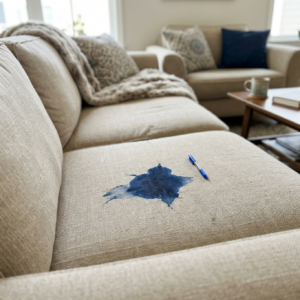
Ink stains on furniture can happen faster than most homeowners expect. One uncapped pen, a child doing homework on the couch, or a marker accidentally left on the cushions can quickly turn into a stressful upholstery problem. Unlike simple dust or crumbs, ink spreads deep into fabric fibers almost immediately. Once the stain sets, it often becomes much harder to remove with basic household cleaning.
Many homeowners in Bellevue, Tennessee, 37221 deal with upholstery stains caused by everyday life. Pens fall between couch cushions, kids accidentally draw on chairs, and work-from-home spaces often increase the chance of ink accidents on furniture. While the stain may look permanent at first, there are several safe upholstery cleaning methods that may help reduce or remove ink without damaging the fabric.
The key is acting quickly and using the correct cleaning approach for the upholstery material. Harsh scrubbing or using the wrong products can spread the stain even further. Certain cleaning chemicals may also damage delicate fabrics or discolor furniture permanently.
Professional upholstery cleaning can help remove stubborn stains safely while protecting the condition of the furniture. At Safe-Dry®, we focus on family-friendly, hypoallergenic, quick-drying cleaning methods designed for homes with kids and pets.
Understanding why ink stains are difficult to remove is the first step toward treating them properly.
Why Ink Stains Are So Difficult To Remove
Ink is designed to soak into surfaces quickly. Whether it comes from a ballpoint pen, marker, gel pen, or permanent marker, the pigments inside the ink bond rapidly with fabric fibers.
Unlike food crumbs or surface dirt, ink behaves more like a dye. Once it penetrates upholstery fibers, it spreads below the visible surface. The longer it sits, the more deeply it settles into the material.
Heat and moisture can sometimes worsen the problem. Rubbing aggressively may also push the ink deeper into the upholstery instead of lifting it away.
Certain upholstery materials absorb ink faster than others. Light-colored furniture and porous fabrics often show stains more visibly.
Common Causes of Ink Stains on Upholstery
Ink stains can happen almost anywhere in the home, especially in busy households where furniture gets used constantly throughout the day. Many homeowners are surprised how quickly a small pen mark can spread across upholstery fibers and turn into a noticeable stain. In many cases, the accident happens in just a few seconds.
Understanding the most common causes of ink stains can help homeowners prevent future accidents while also recognizing when professional upholstery cleaning may be necessary.
Pens Left on Furniture
One of the most common causes of upholstery stains is simply leaving pens on couches, recliners, or chairs.
Pens often get forgotten between cushions, tucked into blankets, or left sitting on armrests. Once someone sits down, the pen may crack, leak, or leave streaks of ink across the fabric.
Ballpoint pens are especially common in living rooms and bedrooms because people frequently use them for notes, paperwork, shopping lists, or school assignments while relaxing on the couch.
Sometimes the damage is not noticed immediately. A leaking pen hidden inside the cushions may continue spreading ink deeper into the upholstery padding over time.
Children Using Markers Indoors
Homes with children naturally experience more accidental upholstery stains.
Kids often use sofas, dining chairs, or sectionals while drawing, coloring, or completing homework. Markers, crayons, and pens can easily slip onto the furniture during playtime or school activities.
In some situations, children accidentally draw directly onto the upholstery without realizing how difficult ink stains are to remove.
Washable markers may still leave discoloration behind if not treated quickly. Permanent markers create even more difficult upholstery cleaning challenges because the pigment bonds rapidly to the fabric fibers.
Families in Bellevue, Tennessee, 37221 often search for upholstery cleaning services after art supplies accidentally stain couches or chairs during busy family routines.
Work-From-Home Accidents
Remote work setups have become another major source of ink stains on upholstery.
Many homeowners now work from couches, recliners, or upholstered chairs while writing notes, signing documents, or organizing paperwork. Pens and markers frequently end up resting on furniture cushions throughout the workday.
Coffee tables and desks are not always nearby, making it easier for writing tools to fall onto upholstered surfaces.
Long workdays also increase the chance of accidental spills, broken pens, or unnoticed leaks inside cushions.
Professional upholstery cleaning can help address stains caused by everyday office supplies before they become permanent.
Broken Pens Inside Couch Cushions
Pens hidden between cushions may eventually crack due to pressure from sitting or reclining.
Once broken, ink can slowly leak into the upholstery fabric and even reach the inner cushion material. These hidden stains sometimes spread much farther than homeowners initially realize.
Because the damage often happens underneath the cushions first, many people do not notice the problem until large stains or strong ink odors appear later.
Deep upholstery cleaning may be necessary when ink penetrates beyond the visible fabric surface.
School Bags and Backpacks on Furniture
Children and teenagers often toss backpacks onto couches or upholstered chairs after school.
Pens stored loosely inside bags may break or leak due to pressure from books and supplies. Ink can transfer through the backpack fabric directly onto the furniture underneath.
This type of stain commonly appears on living room sectionals, bedroom chairs, or family room couches where school bags are placed daily.
Permanent Marker Mistakes
Permanent marker stains are among the hardest upholstery stains to remove.
These markers contain strong pigments designed to bond quickly to surfaces. Once absorbed into upholstery fibers, the stain may spread rapidly and become difficult to treat using ordinary household cleaning products.
Accidental permanent marker stains often happen during:
- Craft projects
- Labeling storage containers
- School assignments
- Home office work
- DIY projects
Fast action improves the chances of reducing the stain before it fully sets into the upholstery.
Ink Transfer From Clothing
Ink stains do not always come directly from pens touching the furniture.
Sometimes ink transfers from clothing instead.
Pens left inside pockets may leak onto upholstered seats when someone sits down. Dark spots may appear gradually without homeowners realizing the source immediately.
Uniforms, work clothes, jackets, and handbags can also transfer ink onto upholstery accidentally.
Pet-Related Ink Accidents
Pets occasionally contribute to upholstery stains in unexpected ways.
Dogs or cats may chew pens left on couches or chairs, causing ink to spread across the fabric. Some pets knock over office supplies while jumping on furniture or playing indoors.
Homes with pets often require both upholstery cleaning and pet odor removal services to fully restore furniture freshness after accidents.
Moving and Storage Mishaps
Furniture being moved or stored sometimes comes into contact with markers, labels, or leaking pens packed inside boxes.
Ink may transfer onto upholstery surfaces during relocation, home staging, or storage situations without being noticed immediately.
Because these stains sometimes sit untreated for long periods, they may become more difficult to remove later.
Everyday Wear and Busy Household Routines
In many homes, upholstery simply experiences heavy daily use.
Living rooms become spaces for work, school, meals, hobbies, entertainment, and relaxation all at once. With constant activity happening around upholstered furniture, accidental stains naturally become more likely over time.
Busy households with children, pets, guests, and frequent activity often benefit from routine upholstery cleaning services to help maintain cleaner and fresher furniture throughout the year.
The Importance of Acting Quickly
Fast response gives homeowners the best chance of reducing upholstery stains successfully.
Fresh ink is usually easier to remove than dried ink because it has not fully bonded to the fibers yet.
Waiting too long may allow the stain to spread deeper into the upholstery padding.
As soon as the stain appears:
- Avoid rubbing the area
- Blot gently instead
- Test cleaning products carefully
- Prevent the stain from spreading
- Avoid over-saturating the fabric
Quick action can often reduce the severity of the stain significantly.
Upholstery Cleaning Safety Tips Before Treating Ink Stains
Before attempting any DIY upholstery cleaning method, homeowners should take a few precautions.
Check the Furniture Cleaning Tag
Many upholstered furniture pieces include cleaning codes such as:
- W = Water-based cleaning
- S = Solvent-based cleaning
- WS = Water or solvent safe
- X = Vacuum only
Following the manufacturer recommendations helps reduce the risk of fabric damage.
Test Small Hidden Areas First
Always test any cleaning solution on a hidden section of the upholstery before treating the stain directly.
Avoid Bleach or Harsh Chemicals
Strong chemicals may discolor or weaken upholstery fabric.
Use White Cloths Only
Colored towels may transfer dye onto the furniture during cleaning.
Step-By-Step Ink Stain Removal for Upholstery
Ink stains can look intimidating the moment they happen, especially on light-colored furniture or delicate fabrics. Many homeowners panic and immediately begin scrubbing the stain, but aggressive cleaning often spreads the ink further into the upholstery fibers.
The safest approach is staying calm, acting quickly, and using gentle upholstery cleaning methods that help lift the stain without damaging the furniture.
Different fabrics and ink types may react differently, which is why testing small areas first is always important. Some stains can improve significantly with careful spot treatment, while deeper stains may eventually require professional upholstery cleaning services.
Following a step-by-step process helps homeowners avoid common mistakes that can make the stain worse.
Step 1: Act Quickly Before the Ink Sets
Fresh ink is usually much easier to remove than dried ink.
Once ink sits on upholstery for too long, the pigment begins bonding deeply to the fabric fibers. Heat, moisture, and pressure can accelerate the process even more.
As soon as the stain appears:
- Stop using the furniture temporarily
- Keep others away from the stained area
- Avoid spreading the ink accidentally
- Gather cleaning materials carefully
Fast action gives homeowners the best chance of reducing the stain before it becomes permanent.
Step 2: Blot the Ink Gently
Blotting is one of the most important parts of upholstery cleaning for ink stains.
Using a clean white cloth or paper towel, gently blot the stained area to absorb excess ink sitting on the surface.
Avoid rubbing or scrubbing aggressively.
Rubbing can:
- Push ink deeper into the upholstery
- Spread the stain wider
- Damage delicate fabric fibers
- Cause permanent discoloration
- Create uneven texture on the furniture
Instead, press gently and lift repeatedly using clean sections of the cloth each time.
Many homeowners accidentally worsen stains simply by trying to clean too aggressively during the first few minutes.
Step 3: Identify the Upholstery Fabric Type
Before applying any cleaning product, homeowners should identify the upholstery material.
Different fabrics react differently to moisture and cleaning solutions. Some materials tolerate water-based cleaning well, while others require more delicate treatment.
Most furniture includes a cleaning tag with codes such as:
- W = Water-safe cleaning
- S = Solvent-based cleaning only
- WS = Water or solvent safe
- X = Vacuum only
Following the furniture manufacturer recommendations helps reduce the risk of damaging the upholstery.
Professional upholstery cleaning technicians often inspect fabric type first before selecting a cleaning method.
Step 4: Test a Small Hidden Area First
Even mild cleaning solutions may affect certain upholstery materials.
Before treating the visible stain, test the product on a hidden section of the furniture such as:
- Underneath cushions
- Back corners
- Lower fabric edges
Look for signs of:
- Color fading
- Fabric damage
- Water rings
- Texture changes
- Discoloration
If the hidden area reacts poorly, stop immediately and avoid using the product on the main stain.
Testing first can prevent much larger upholstery cleaning problems later.
Step 5: Start With Mild Dish Soap and Warm Water
Gentle dish soap is often the safest starting point for small or fresh ink stains.
Mix a small amount of mild dish soap with warm water. Dip a clean white cloth into the mixture and gently blot the stained area.
The goal is not soaking the upholstery. Too much moisture can spread the stain deeper into the cushion.
Continue blotting slowly while switching to clean sections of the cloth regularly.
This method works best for:
- Fresh ink stains
- Minor pen marks
- Light discoloration
- Surface-level transfer stains
Some stains may lighten gradually instead of disappearing immediately.
Step 6: Try Rubbing Alcohol Carefully for Tougher Ink
Certain ink stains respond better to rubbing alcohol because alcohol may help break down the pigment.
However, homeowners should use caution because some upholstery fabrics react poorly to alcohol-based products.
Instead of pouring alcohol directly onto the furniture:
- Apply a small amount to a clean cloth first.
- Blot the stain gently.
- Avoid oversaturating the upholstery.
- Continue lifting the ink slowly.
- Dry the area thoroughly afterward.
Many upholstery cleaning professionals use controlled stain treatments instead of excessive moisture to avoid damaging the furniture.
Too much alcohol may cause discoloration or spread the stain if applied improperly.
Step 7: Avoid Overwetting the Upholstery
One of the biggest DIY upholstery cleaning mistakes is using too much liquid.
Oversaturated furniture may develop additional problems including:
- Mildew odor
- Water stains
- Cushion damage
- Slow drying
- Bacterial growth
- Fabric warping
The goal is controlled cleaning, not soaking the entire cushion.
Blotting with small amounts of cleaning solution works much better than flooding the upholstery with water.
Step 8: Dry the Area Completely
Proper drying is extremely important after spot cleaning upholstery.
Moisture trapped inside cushions may create musty smells later, especially in humid areas like Bellevue, Tennessee, 37221.
After cleaning:
- Use dry towels to absorb excess moisture
- Increase airflow in the room
- Turn on ceiling fans if available
- Open windows carefully when weather allows
- Avoid using the furniture until fully dry
Quick drying helps reduce odor and prevents deeper moisture problems inside the upholstery padding.
Step 9: Repeat Gently if Necessary
Some ink stains require multiple light treatments rather than one aggressive cleaning attempt.
Homeowners should allow the fabric to partially dry between treatments when possible. Repeating gentle blotting often works better than trying to remove the entire stain immediately.
Patience is important during upholstery cleaning because rushing the process can spread the stain further.
Step 10: Know When To Call Professional Upholstery Cleaning Services
Certain ink stains become too deep or stubborn for safe DIY treatment.
Professional upholstery cleaning may be the best option when:
- The stain continues spreading
- The upholstery is delicate
- Permanent marker was used
- DIY cleaning is not improving the stain
- The ink reached the cushion padding
- Water rings begin appearing
- The furniture is expensive or antique
Professional upholstery cleaning equipment helps remove deeper contamination while protecting the fabric condition.
Many homeowners searching for upholstery cleaning near you eventually discover professional cleaning is safer than risking permanent damage from aggressive DIY methods.
Safe-Dry® upholstery cleaning focuses on family-friendly, quick-drying cleaning methods designed to restore freshness while helping protect furniture from unnecessary damage.
Why Scrubbing Ink Stains Makes Them Worse
One of the most common upholstery cleaning mistakes is scrubbing too hard.
Aggressive scrubbing can:
- Spread the stain wider
- Push ink deeper into fibers
- Damage upholstery texture
- Fray delicate fabrics
- Cause discoloration
Blotting gently works much better than rubbing.
Why Upholstery Material Matters
Not all furniture fabrics react the same way during stain removal.
Microfiber Upholstery
Microfiber can sometimes respond well to careful spot cleaning, but oversaturation may leave water marks.
Cotton Upholstery
Cotton absorbs liquid quickly, making fast stain treatment especially important.
Linen Upholstery
Linen is delicate and may discolor easily if harsh products are used.
Velvet Upholstery
Velvet requires extra care because rubbing can damage the texture.
Leather Furniture
Leather requires different treatment entirely and should not be cleaned using standard fabric methods.
Professional upholstery cleaning helps protect delicate materials during stain treatment.
Ink Stains and Upholstery Padding Problems
Sometimes the visible stain is only part of the issue.
Liquid ink may soak beneath the upholstery surface into the padding underneath. When this happens, stains can reappear later even after the fabric looks clean initially.
Deep contamination inside cushions may also create odor or discoloration over time.
Professional upholstery cleaning equipment can help reach deeper layers that household spot cleaning cannot fully access.
Why DIY Upholstery Cleaning Sometimes Fails
DIY methods can help with small surface stains, but deeper stains often require professional attention.
Common reasons DIY methods fail include:
- Using too much liquid
- Waiting too long
- Using incorrect chemicals
- Scrubbing aggressively
- Spreading the stain further
- Damaging delicate fabric
Some homeowners accidentally create larger upholstery problems while attempting to remove stains themselves.
Professional Upholstery Cleaning for Ink Stain Removal
Professional upholstery cleaning focuses on removing stains safely while protecting the furniture material.
At Safe-Dry®, our cleaning process is designed around family-friendly, quick-drying cleaning methods.
Professional upholstery cleaning may help with:
- Ink stains
- Pet stains
- Food spills
- Odor elimination
- Dirt buildup
- Allergens
- Fabric restoration
Professional technicians evaluate the upholstery fabric first before selecting the safest treatment method.
How Professional Upholstery Cleaning Works
Different furniture materials require different cleaning approaches.
Step 1: Upholstery Inspection
Technicians inspect:
- Fabric type
- Stain severity
- Cushion condition
- Existing discoloration
- Delicate areas
Step 2: Targeted Stain Treatment
Specific cleaning methods are selected based on the upholstery material and stain type.
Step 3: Deep Upholstery Cleaning
Professional upholstery cleaning equipment helps lift dirt, oils, and contamination from deeper within the furniture.
Step 4: Quick Drying Process
Low-moisture cleaning methods help furniture dry faster.
Step 5: Final Inspection
The upholstery is reviewed to ensure improved cleanliness and stain reduction.
Why Quick-Drying Upholstery Cleaning Matters
Over-saturated furniture can create additional problems.
Excess moisture trapped inside cushions may lead to:
- Mildew odor
- Damp smells
- Bacteria growth
- Slow drying
- Water marks
Quick-drying upholstery cleaning helps reduce downtime while protecting furniture condition.
How Upholstery Cleaning Helps Indoor Air Quality
Furniture collects more dust and allergens than many homeowners realize.
Couches, chairs, and sectionals trap:
- Dust mites
- Pet dander
- Pollen
- Dirt
- Skin cells
- Oils
Routine upholstery cleaning helps remove contaminants hidden deep within furniture fibers.
Families with allergies often notice fresher indoor air after professional deep cleaning services.
Preventing Future Ink Stains on Upholstery
Prevention helps reduce the chance of future upholstery damage.
Keep Pens and Markers Away From Furniture
Store writing supplies in containers instead of leaving them loose on couches or chairs.
Create Homework Areas
Designated homework tables help reduce marker and pen accidents on upholstery.
Use Furniture Covers
Protective covers can help shield furniture in homes with children or pets.
Address Stains Quickly
Fast cleanup helps prevent stains from becoming permanent.
Schedule Routine Upholstery Cleaning
Routine deep cleaning helps maintain furniture condition long-term.
Additional Deep Cleaning Services Homeowners Often Combine
Many homeowners schedule multiple services together for a more complete home refresh.
Common combinations include:
- Carpet cleaning
- Area rug cleaning
- Oriental rug cleaning
- Carpet stain removal
- Pet odor removal
- Odor elimination
- Upholstery cleaning
- Deep cleaning services
Combining carpet cleaning services with upholstery cleaning often helps create a cleaner overall indoor environment.
Upholstery Cleaning and Pet Stain Concerns
Homes with pets often deal with more than ink stains.
Pet accidents may create:
- Odor buildup
- Fabric discoloration
- Deep contamination
- Cushion staining
Professional pet stain removal and odor elimination help address deeper contamination safely.
Many homeowners searching for upholstery cleaning near you also schedule pet urine removal and carpet cleaning service appointments together.
Why Bellevue Homeowners Schedule Professional Upholstery Cleaning
Furniture is one of the most used surfaces inside the home.
Couches, recliners, dining chairs, and sectionals experience daily wear from:
- Children
- Pets
- Guests
- Food spills
- Dirt
- Oils
- Dust
Routine upholstery cleaning helps extend furniture life while keeping the home cleaner and fresher.
Families in Bellevue, Tennessee, 37221 often appreciate quick-drying, family-friendly cleaning methods designed around healthier homes.
Upholstery Cleaning Versus Replacing Furniture
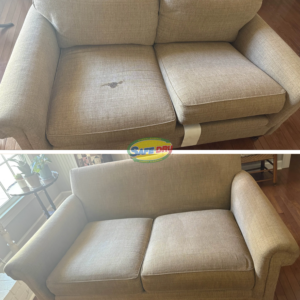
Many homeowners consider replacing furniture after stubborn stains appear.
However, professional upholstery cleaning may help restore furniture appearance at a much lower cost compared to buying new furniture.
Deep cleaning services can often improve:
- Stain appearance
- Odor
- Fabric texture
- Overall freshness
Proper maintenance also helps furniture last longer.
Understanding Upholstery Cleaning Cost
Upholstery cleaning prices vary depending on several factors.
Cost may depend on:
- Furniture size
- Fabric type
- Stain severity
- Odor concerns
- Cushion condition
- Number of furniture pieces
Many homeowners search for affordable upholstery cleaning while still wanting quality service.
Requesting a free carpet cleaning quote or upholstery estimate helps homeowners understand service options clearly.
Eco Friendly Upholstery Cleaning for Families
Many homeowners prefer eco friendly upholstery cleaning methods designed for homes with children and pets.
Safe-Dry® focuses on hypoallergenic, soap-free cleaning designed around family comfort and healthier indoor spaces.
Furniture should feel fresh and clean without heavy residue left behind.
Questions Homeowners Ask About Ink Stains and Upholstery Cleaning
Can ink stains be removed completely from upholstery?
Results depend on the ink type, upholstery material, and how quickly the stain is treated. Fresh stains are often easier to improve.
Does rubbing alcohol damage upholstery?
Some fabrics may react poorly to alcohol. Always test small hidden areas first before applying it to visible fabric.
Should I scrub ink stains?
No. Scrubbing usually spreads the stain deeper into the upholstery fibers.
Can professional upholstery cleaning remove old stains?
Professional upholstery cleaning may significantly improve older stains depending on the material and stain severity.
How long does upholstery take to dry after cleaning?
Quick-drying methods usually allow furniture to dry faster than traditional soaking methods.
Is professional upholstery cleaning safe for pets and children?
Many homeowners prefer family-friendly upholstery cleaning methods designed around healthier homes.
How often should upholstery be professionally cleaned?
Homes with children, pets, or heavy furniture use often benefit from regular upholstery cleaning every 12 to 18 months.
Can upholstery cleaning help remove odors too?
Yes. Professional upholstery cleaning helps remove dirt, oils, bacteria, and odor-causing buildup trapped inside the furniture.
Bring Your Furniture Back to Life With Safe-Dry®
Ink stains can feel overwhelming at first, especially when they happen on favorite furniture pieces. Fortunately, fast action and proper upholstery cleaning methods may help reduce the damage before stains become permanent.
DIY spot cleaning may help with minor accidents, but deeper stains often require professional upholstery cleaning to safely remove contamination without damaging the fabric.
Families in Bellevue, Tennessee, 37221 searching for upholstery cleaning near you, carpet cleaning near you, or deep cleaning services can trust Safe-Dry® for family-friendly care designed around cleaner, fresher homes.
Whether you need upholstery cleaning, carpet stain removal, pet odor elimination, rug cleaning, or professional deep cleaning services, Safe-Dry® is ready to help restore comfort throughout your home.
Schedule a free carpet cleaning quote or upholstery cleaning estimate today and discover how refreshed your furniture and living spaces can feel again.

